Starting
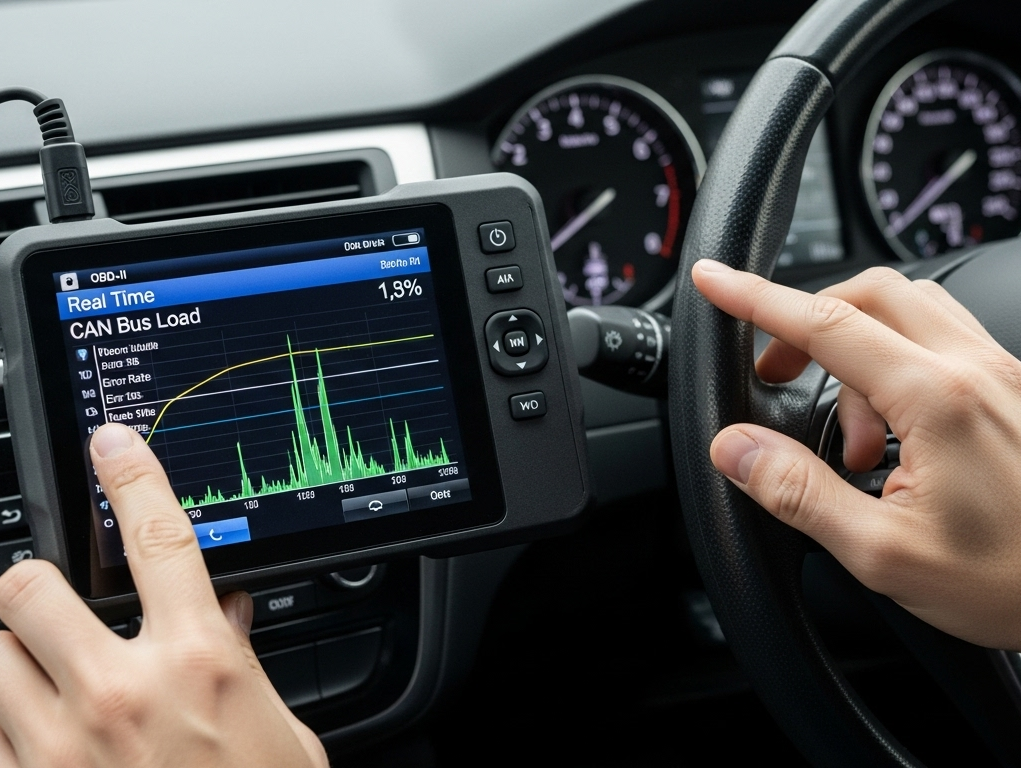
Whole soaring complication regarding advanced transportation means presses for an detailed knowledge of diagnostic frameworks, specifically pertaining to On-Board Diagnostics II (OBD2) and Tire Pressure Monitoring Platforms (TPMS). Among Europe, Asia, and the US, these capabilities operate using distinct frequencies. OBD2 standards are largely unified globally, largely utilizing ISO 9141-50, KWP2000, CAN, and others, but regional executions can cause minor divergences. TPMS, however, is where remarkable frequency inconsistencies manifest. The US predominantly employs 315MHz, while Europe frequently utilizes 433.92MHz, and Asia presents a more dispersed range including both frequencies and supplementary bands. Thus, precise diagnostic tools must be equipped with the facility to understand these manifold frequencies to promote effective maintenance and maintenance.
Unpacking TPMS Sensor Frequencies: A Global Guide (Europe, North America, Asia)
Knowing tire pressure monitoring contraption (TPMS) reader spectra over the planet is hard. Habitually, North territories chiefly utilize 315 MHz, while some current vehicles utilize 433 MHz. Alternatively, Europe and most of Asia mainly function on the 433 MHz transmission, with some country-specific variations appearing expressly in distinct Asian regions. It's, paramount to validate the accurate transmission preliminary to obtaining TPMS sensors to warrant match and avoid imminent concerns.
EV System Scanners: OBD2 Compatibility and TPMS Integration
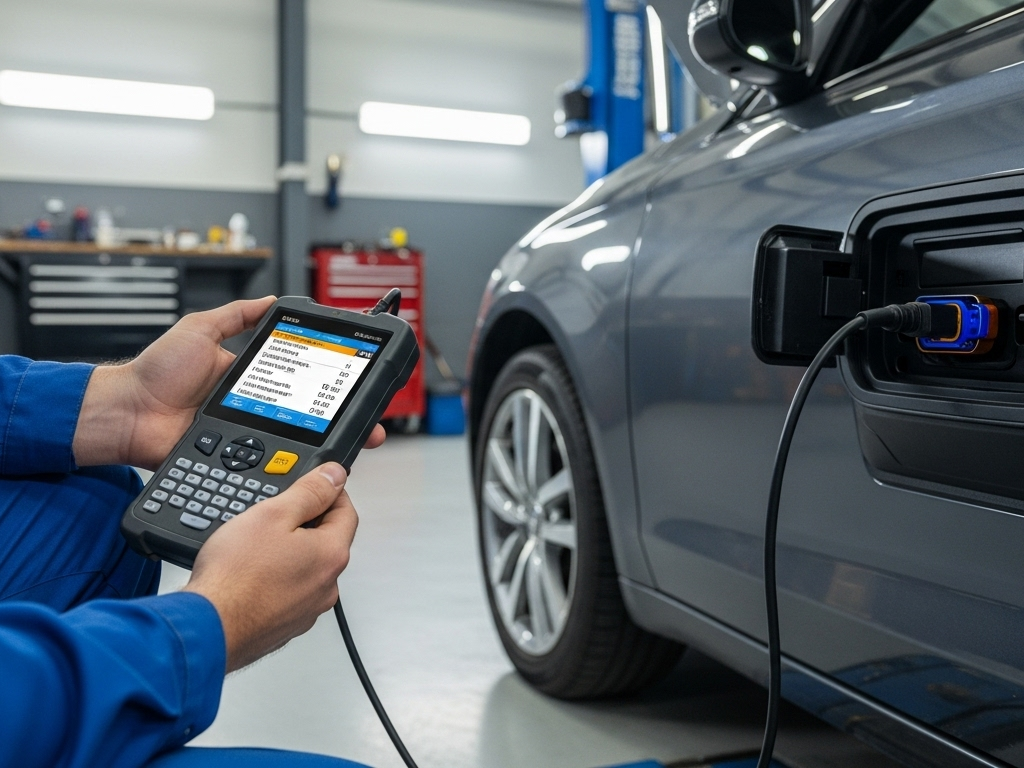
Latest battery-operated motor vehicle analyzers are increasingly absorbing vital functionality, particularly with respect to both common On-Board Diagnostics II (OBD2) functionality and Tire Pressure Monitoring System (TPMS) linking. A lot of battery-powered engines utilize OBD2 ports for obtaining vital system statistics, allowing technicians and custodians to identify prospective failures. Furthermore, smooth TPMS unification provides reliable tire stress values, supporting to boosted defense and diesel economy. This mixture of OBD2 reception and TPMS technology illustrates a significant progress in energy-based car analysis.
Tire Monitoring Frequency Differences: The EU vs. USA vs. Asia - A Comprehensive Evaluation
The sensors responsible for sensing tire force—TPMS—operate on distinct radio wavelengths, leading to considerable regional discrepancies. North America predominantly utilizes 315 MHz, though some modern vehicles are shifting to 433 MHz. Eurozone mandates 433.92 MHz, a fixed frequency to ensure consistency across nations. Eastern Asia exhibits a complicated landscape, with specific zones using 315 MHz, others 433 MHz, and still some places employing a amalgamation of both. This contrast causes challenges for service centers and operators when dealing with replacement TPMS transmitters or diagnostic machinery, compelling careful examination of regional parameters to banish discrepancies and assure proper functionality of the TPMS.
Auto Scanners for Battery-Powered Autos: Tire Info Examination & Radio Wave Breakdown
Advanced motor vehicle analyzers are steadily broadening to facilitate electrified rides, notably concerning tire information troubleshooting. Unlike ICE vehicles, EVs present unique hurdles when it comes to air pressure management verification. Many electric rides use variegated tire sensor platforms signals requiring the scanner to unerringly process the wavelength in use. This functionality allows professionals to solely display tire pressure but also detect the definite wave being transmitted by the tire sensor detectors, assisting in undiagnosed analysis of issues.
The US Tire Pressure Monitoring Systems Frequencies: What Have to Get?
Managing the world of vehicle TPMS can be a obstacle, primarily due to the varying spectra utilized across the continent, Asia, and the United States. European vehicles predominantly use 433.92 MHz, while multiple Asian countries employ 315 MHz and 433.92 MHz, creating a difficult situation for service providers. In the US, both 315 MHz and 433.92 MHz are typical, with 315 MHz being more widespread. Accordingly, understanding these regional variations is indispensable for accurately addressing TPMS deficiencies and selecting the suitable programming tools.
Developing those Primary Elements: Auto Scanning, Electric Rides, and Tire Sensor Network Sensor Transmission Observation
Regarding knowledgeable car professionals, simply comprehending certain core concepts with respect to OBD2, electrified transport technology, combined with pressure monitoring systems device broadcast detecting represents one crucial following milestone. This subjects dive about basic procedures, calling for customized implements & understanding so as to rightly spot or repair challenging obstacles connected with tire air, electric framework capacity, together with mechanical system snag codes. Furthermore, precisely detecting pressure sensor instrument broadcasts – typically fluctuate within diverse creators together with designs – frequently required to accurate adjustment.
Electric Auto Inspection: Using OBD2 Scanners to Troubleshoot TPMS
Inspecting Tire Pressure Monitoring Systems wheel pressure systems in electric vehicles battery vehicles often calls for more than only visual inspection. Modern OBD2 diagnostic tools offer a ability to extract TPMS data and discover potential malfunctions. Utilizing these machines, technicians can decode fault codes, verify sensor condition, and even initiate sensor verifications, allowing for robust diagnosis of monitoring abnormalities and minimizing idle time. Such is especially crucial given the increasing complexity of EV platforms.
Managing TPMS Frequencies: A Effective Overview for Western Europe, the Asian Region, and The Americas
Consistently handling TPMS all through European Union, the East, and American Continent calls for a thorough command of the distinct radio frequencies they operate on. Separate from a unified system, all parts generally conforms to specific spectrum allocations. Example being Continental Europe primarily utilizes 315 Megahertz and 433 million nine hundred twenty kHz, while United States and Canada normally operates on hundreds fifteen MHz while some late models can adopt four hundred thirty-three point nine two MHz. Asian Continent provides a greater multiplicity situation, with a variety of signal extents used, according to OBD2 the specific country and car manufacturer.
- Regard regional laws regarding radio wave.
- Seek out your user guide for detailed frequency.
- Implement a signal reader fit to translating multiple frequencies.